Keep packaging versions separate
A similar-looking mailer or an old campaign card can change the parcel. Identify each material and the version that belongs with it.
SKU-level branded packaging connects your mailers, labels and inserts to the products inside each order.
The details need a plan when orders begin.
A similar-looking mailer or an old campaign card can change the parcel. Identify each material and the version that belongs with it.
A product code, size and color need to agree. Make the label match part of the packing instruction, not a last-minute guess.
Printing and fulfillment have different jobs. Write down who approves, receives, applies and checks each packaging piece.
Choose the pieces your product needs. Quantities, materials and timing are confirmed in the quote.
Choose the bag size around the packed product and its closure.
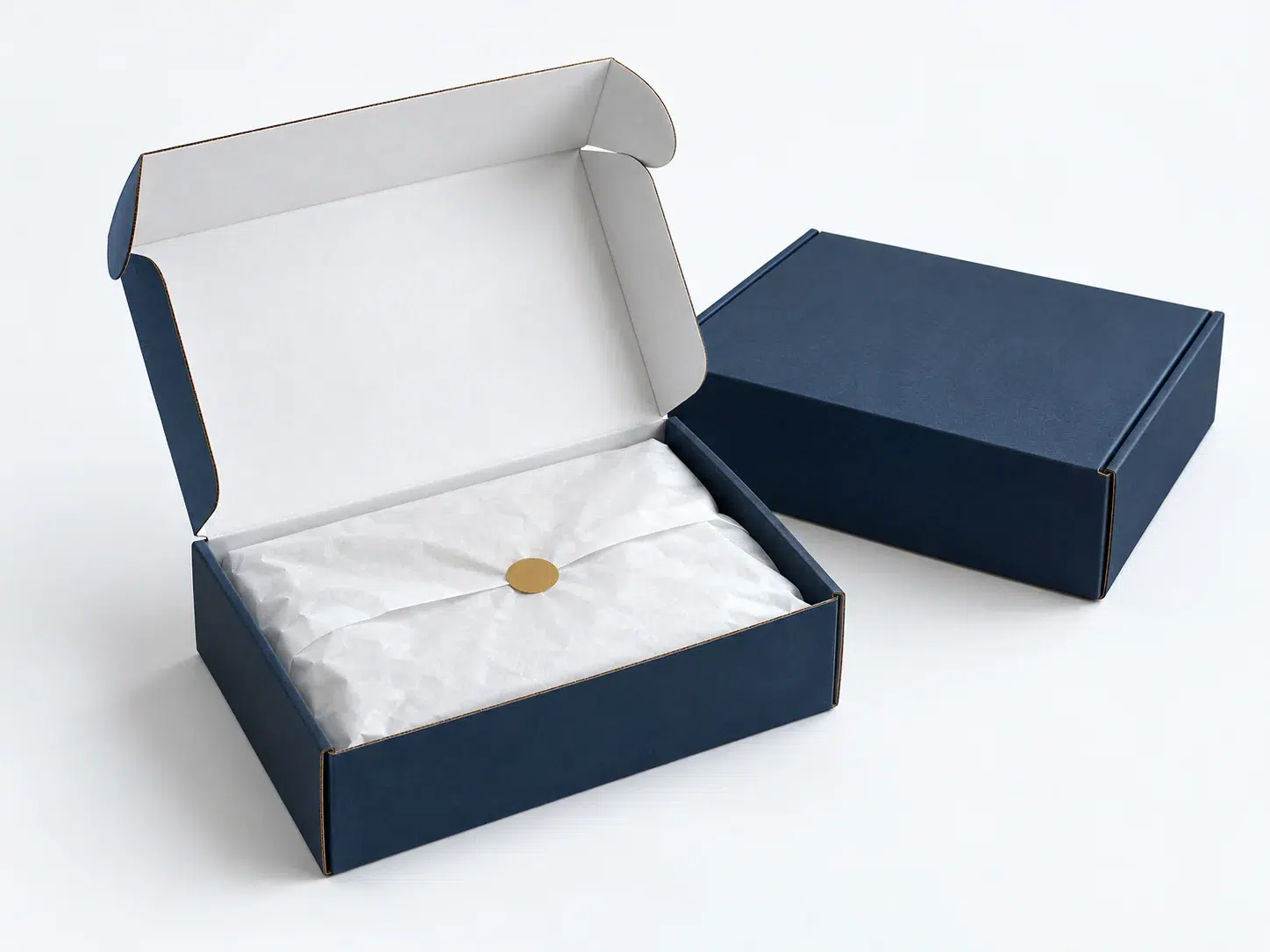
Match box structure, protection and print to the product.
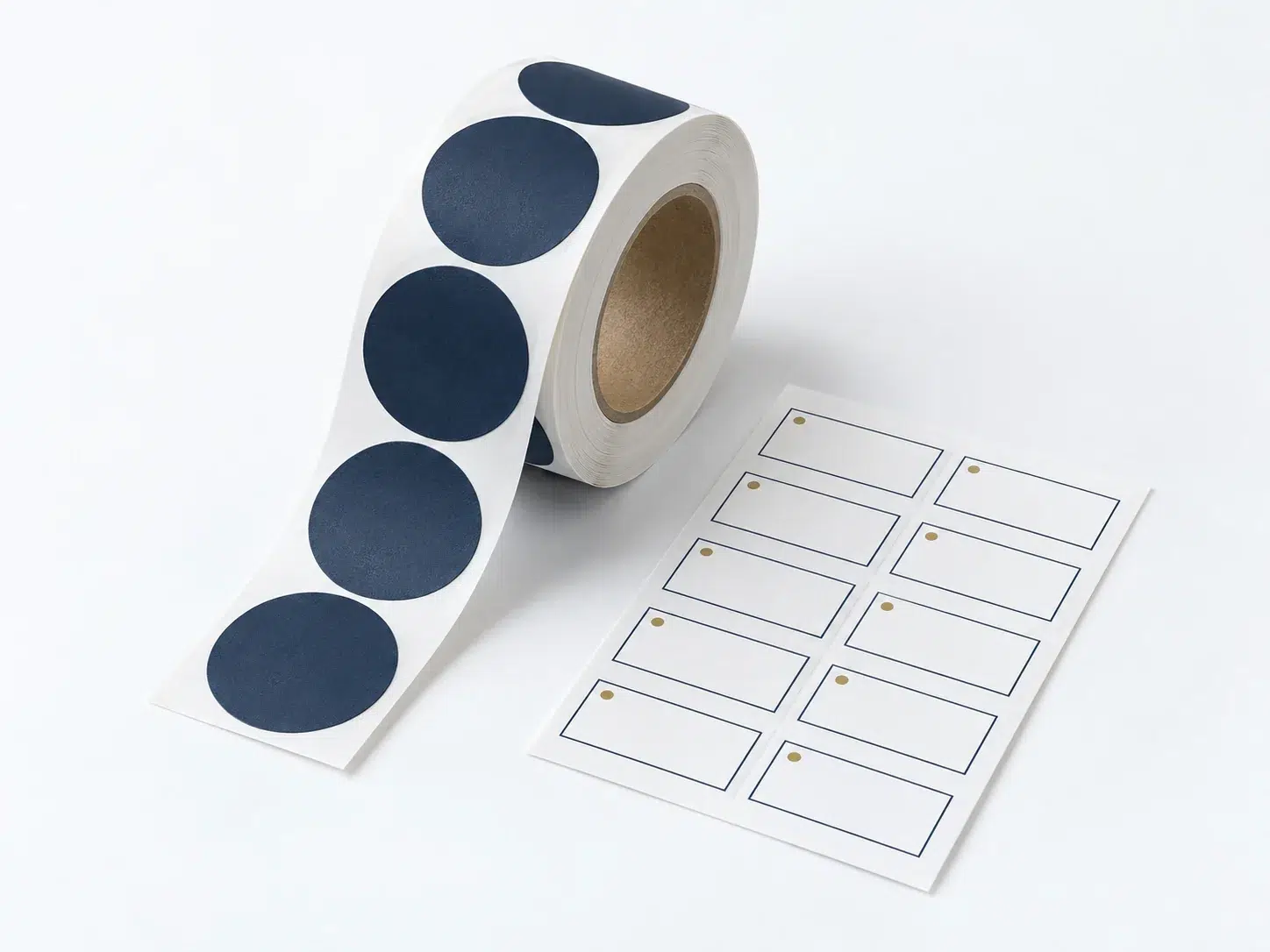
Logo stickers, seals and product information in one brand system.
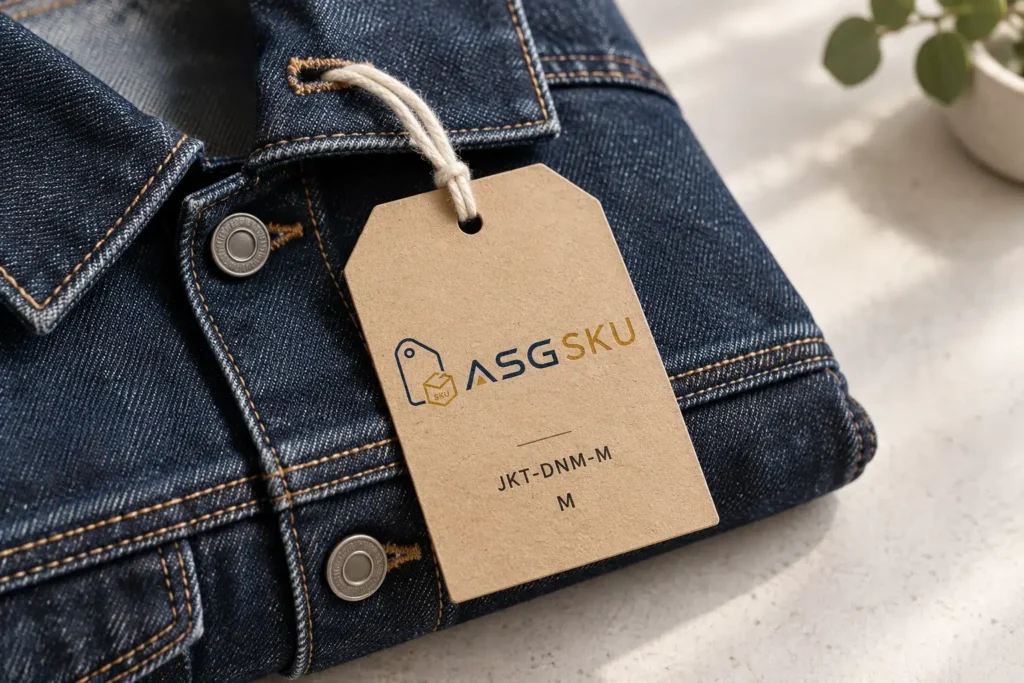
Choose the stock, attachment and product information together.
A considered note that belongs inside the parcel.
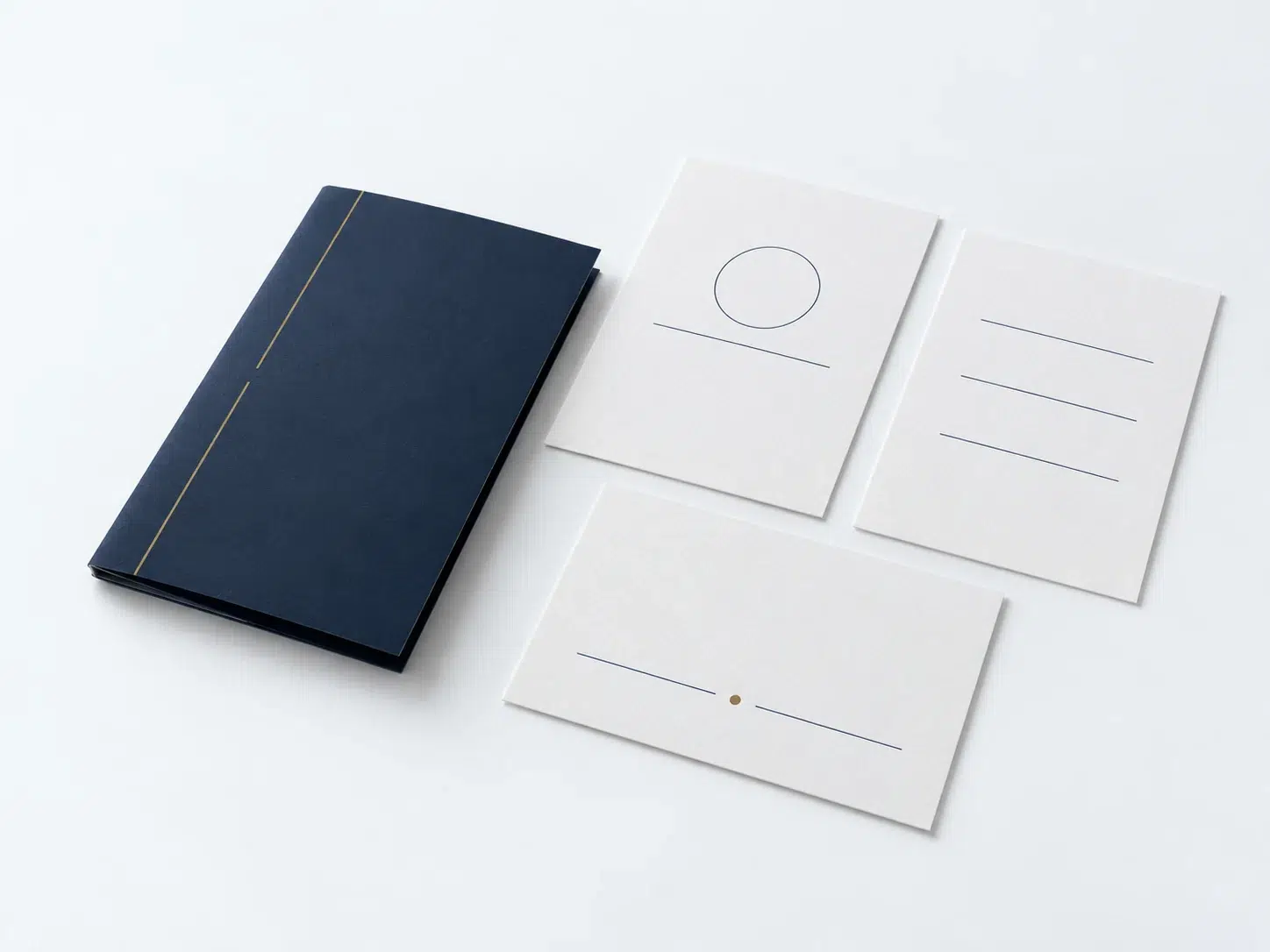
Care guides, product instructions and campaign cards.
Plan the correct code, surface and unit-level placement.
Finish the inside with a repeat print and a matching seal.
A branded parcel is more than a printed box. It connects the right outer packaging, product label and message to a particular SKU.
Start with what you sell, then define what goes around it, what goes inside and what the packer needs to check. That is the basis of a SKU-level packaging brief.
Make the product, its packaging and the final check part of one instruction.
Group products by size, variant and sales channel. Record the packaging each group needs.
Specify the material, size, insert version and placement. Give changes a clear approval step.
Define the pack-out check and what happens if stock, artwork or the product does not match.
Mailer — Sized to the folded product
A print proof checks artwork, dimensions and placement. A packaging mockup helps you review how several pieces sit together.
Then agree whether a physical sample is needed to check fit, stock and finish. Confirm the sample scope, cost and schedule before approving a production run.
Artwork — Logo and message

Start with fit and protection. Then discuss material choices, possible reuse and the right disposal guidance for your market.
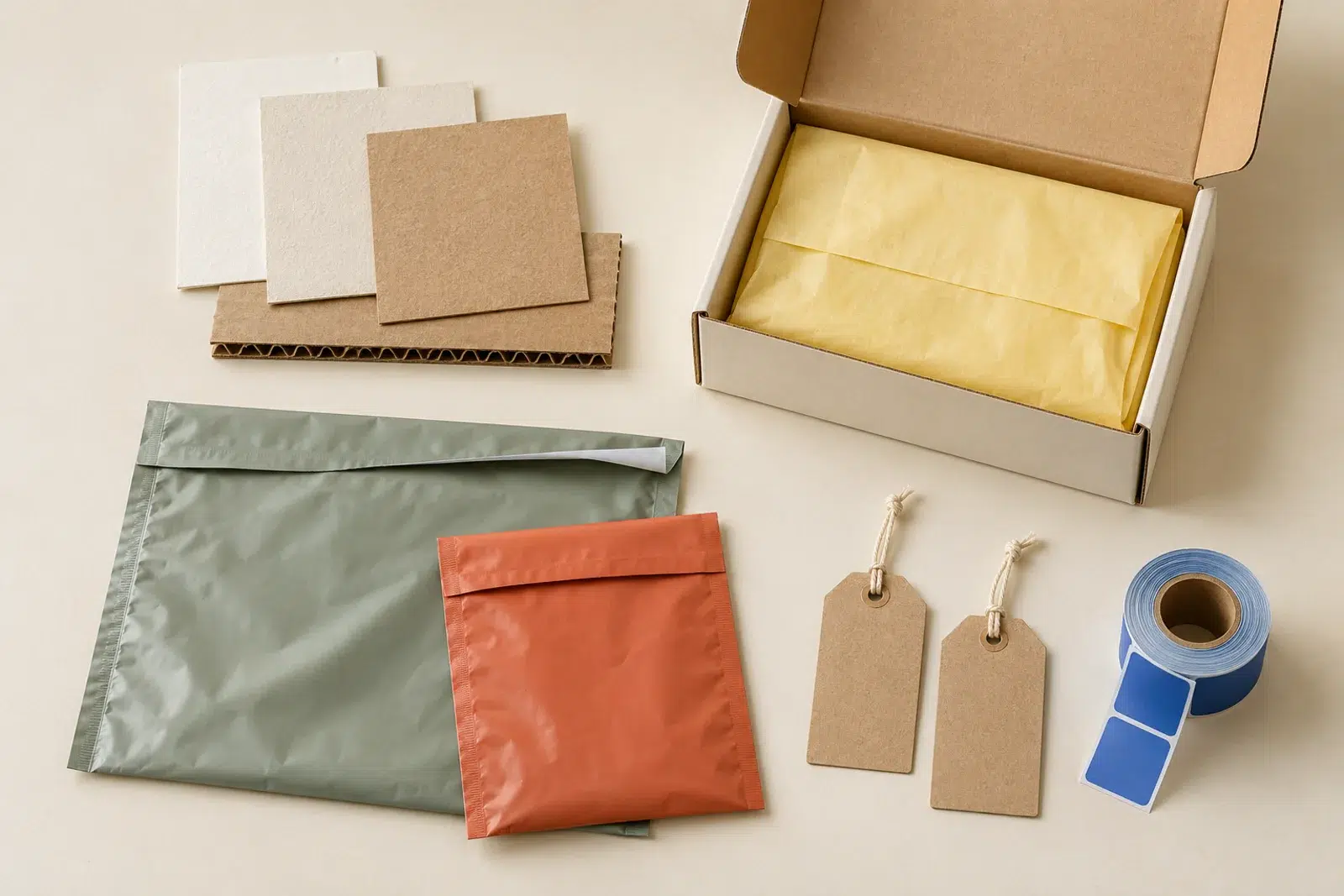
Check the packed dimensions and protection before selecting the outer packaging and inserts. Avoid adding pieces without a clear purpose.
Discuss whether the structure, closure and condition could support another use. Reuse suitability depends on the chosen packaging.
Check the final material specification and local collection rules before making a recycling claim. Availability varies by material and destination.
Which code belongs on which unit, and where it should sit.
Which card or guide belongs to this SKU, bundle or campaign.
How to fold, attach the tag and choose the bag size.
Which component SKUs make up the finished set.

A mailer, tag or card needs its own stock identity. Link that material to the products that use it, so a shared insert is considered across all relevant SKUs.
Agree how receipts, usage and exceptions will be recorded. Set a reorder review around actual demand, supplier lead time and the reporting scope confirmed for your project.
Start with the products you sell, then build the packaging around them.
The packaging outside. The details inside.


Packaging changes, bundle labels and garment branding: three project examples showing the decisions, coordination and limits behind the work.
Client-approved bags moved into use while matching sleeves were still pending; the overall packaging transition was not yet complete.
Read project exampleBundle barcode placement and carton labels were coordinated; reported shipping updates did not establish final platform acceptance or customer delivery.
Read project exampleGarment relabeling scope was narrowed after seam risks were discussed; the example does not confirm completion of all later garments.
Read project example
Use the same handoff questions with your print supplier, fulfillment provider and ASG SKU quote.
Scroll across to compare all specifications.
| Decision | Print brief | Packing brief | Combined project check |
|---|---|---|---|
| Material | Size, stock and print | Fit around the packed product | One approved material list |
| Version | Artwork revision | Active card and label version | A change and approval record |
| Quantity | Units per design | Pieces used per order | Demand and stock review |
| Application | Finish and adhesive | Placement and attachment | A written packing instruction |
| Responsibility | Proof and sample approval | Receiving and pack-out checks | Named owners for each handoff |
Responsibilities are agreed in writing for each project.
Materials, packing responsibilities, minimums and next steps.
SKU-level packaging connects a product code to a packing instruction: which mailer or box, label, tag and insert belong with it. The rule can also specify placement, quantities and order conditions. See SKU packaging rules.
Explore poly and bubble mailers, boxes, labels, hang tags, thank-you cards, inserts, tissue paper, packaging tape and barcode labels. Share the materials and intended use so the available scope can be confirmed for your quote.
That depends on the fulfillment arrangement agreed for your project. Confirm the receiving location, service scope and responsibilities before sending goods or packaging. Include your supplier location and target markets in the inquiry.
Minimum quantities depend on the material, size, artwork and production method. Request the minimum per design and per size in your quote. Do not assume different variants can be combined into one minimum.
The schedule depends on artwork approval, sampling, production and receiving. Share the date you need the packaging ready; sample and production timing need confirmation for each item.
Send your product list, packaging choices, rough quantities and target date. A logo file and product dimensions help define the brief. Get a Packaging Quote.
Tell us what you sell, which packaging you need and when you need it.