The finishing detail is missing
A pick-and-pack instruction may not explain which tag to attach, where a label goes or when a card should change. Put those details into the agreed scope.
From labels and inserts to bags and bundles: plan each packing task around your products and SKU rules.

Three practical gaps to close before handing an order to a packing team.
A pick-and-pack instruction may not explain which tag to attach, where a label goes or when a card should change. Put those details into the agreed scope.
Attaching tags, changing bags and adding inserts take time. As order combinations grow, a written sequence makes the work easier to hand over.
A tracking number does not show what was inside the parcel. Specify the checks or photos you need before a packing question becomes a customer complaint.
Kitting in fulfillment means grouping separate items into one ready-to-ship unit before or during pack-out: a product with its hang tag and insert, a three-pack bagged together, or a gift set assembled in a box. Kitting fulfillment services do that work inside the warehouse so you don't have to.
Pick pack kitting can happen on demand, as each order arrives, or in advance, when kits are built in batches and stored as their own SKU. On-demand suits many variants and changing inserts; pre-built kits suit high-volume bundles that never change.

A packing sequence to confirm for your products and order types.
Identify the product and collect the packaging items listed in its approved rule.
Use the agreed label file, size and position. Keep different versions clearly identified.
Attach tags, add the specified inserts and bag or group products in the agreed order.
Confirm the product and packaging match. Agree whether scanning or a checklist is required.
Complete any agreed QC photo or record before sealing and releasing the parcel.
Choose the tasks your order needs. Handling and availability are confirmed in the project scope.
Specify product barcodes, size stickers or carton labels, including file versions, dimensions and exact placement.
List care cards, thank-you cards and language versions. Record any changes by SKU, channel or destination.
Define the tag, attachment method and position. Include instructions for removing or replacing an existing tag.
Record the bag specification, product orientation, closure and any labels needed on the finished bag.
List every component and its quantity. Explain how sets should be grouped and whether they need their own SKU.
Show the box format, tissue or protective material, seal position and any gift-note requirements.
A kitting fee covers the agreed assembly and handling work. Prepare these details for a project quote.
Scroll across to compare all specifications.
| Task | Details for the quote |
|---|---|
| Pick and pack | Order mix, item count and packing sequence |
| Label application | Label types, number and placement |
| Cards and hang tags | Pieces per order and attachment method |
| Bagging | Bag types and any replacement steps |
| Kit assembly | Components, quantities and batch or on-demand work |
| QC records | Required checks, photo views and record format |
Service availability, rates and billing units are confirmed in your project quote. See pricing information or include these details in your request.

Keep product identification separate from branding. Your labeling brief should name the label file, version, position and the product or carton it belongs on. Include a placement example where the position matters.
Product barcodes, size stickers, FNSKU labels and warning labels may serve different purposes. Supply the applicable channel and destination requirements for review; no blanket marketplace-compliance claim is made here.
When comparing 3PL companies or planning warehousing fulfillment, ask how the person packing receives the approved instruction for each order.
Keep component lists, variant exceptions and checks together. Agree rule ownership and change handling before the workflow is used.
| SKU | Kit components | Check |
|---|---|---|
| SOCK-3PK-BLK | 3 pairs, poly bag, size sticker | Scan bag label |
| GIFT-SET-01 | Box, tissue, 2 products, gift note | QC photo |
| TEE-NVY-M | Hang tag, branded poly bag, thank-you card | Scan SKU |
| MARKET: TEE-NVY-M | Marketplace label and approved bag specification | Review current requirements |
Example kit rules. We confirm checks, service scope and marketplace requirements for your project.
Swipe or use the arrow keys to view all columns.
Different order types need different component lists and checks.
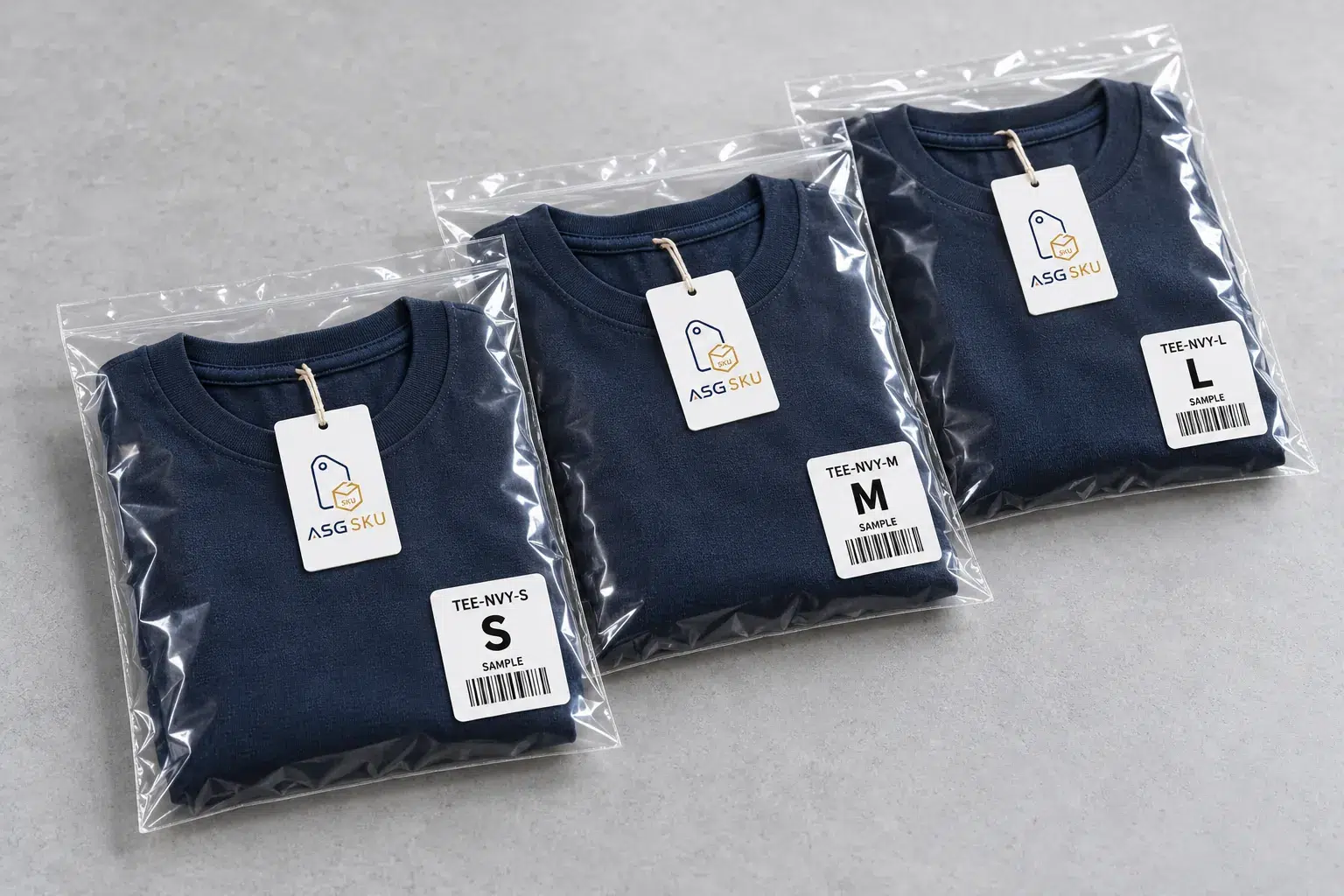
Bring together the garment, hang tag, bag and insert. Specify the size and color checks and any channel-specific changes.

Build the component list for each set. Decide which kits are prepared in batches and which are assembled as orders arrive.
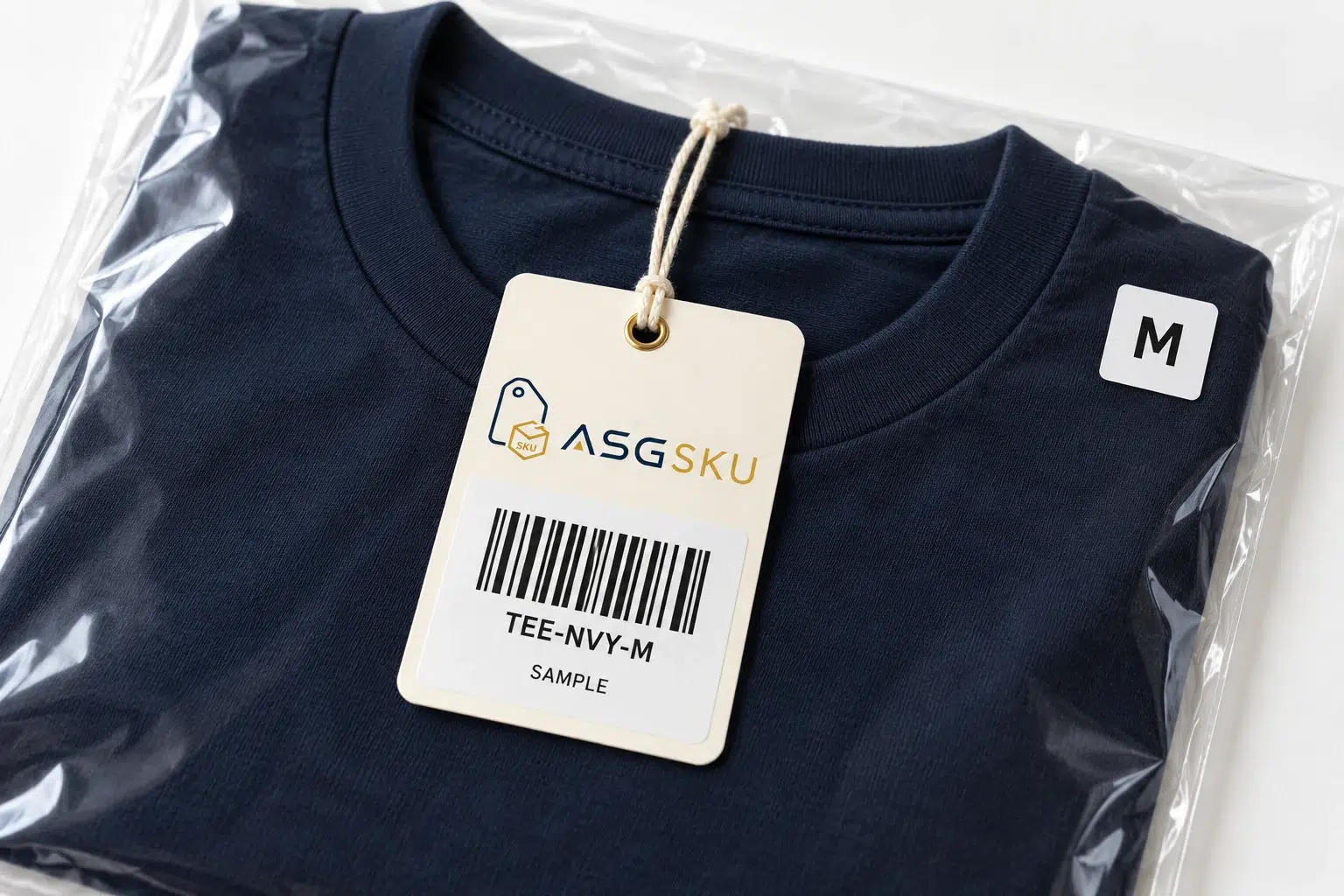
Keep unit and carton labels separate from DTC inserts. Provide the current marketplace requirements for review.
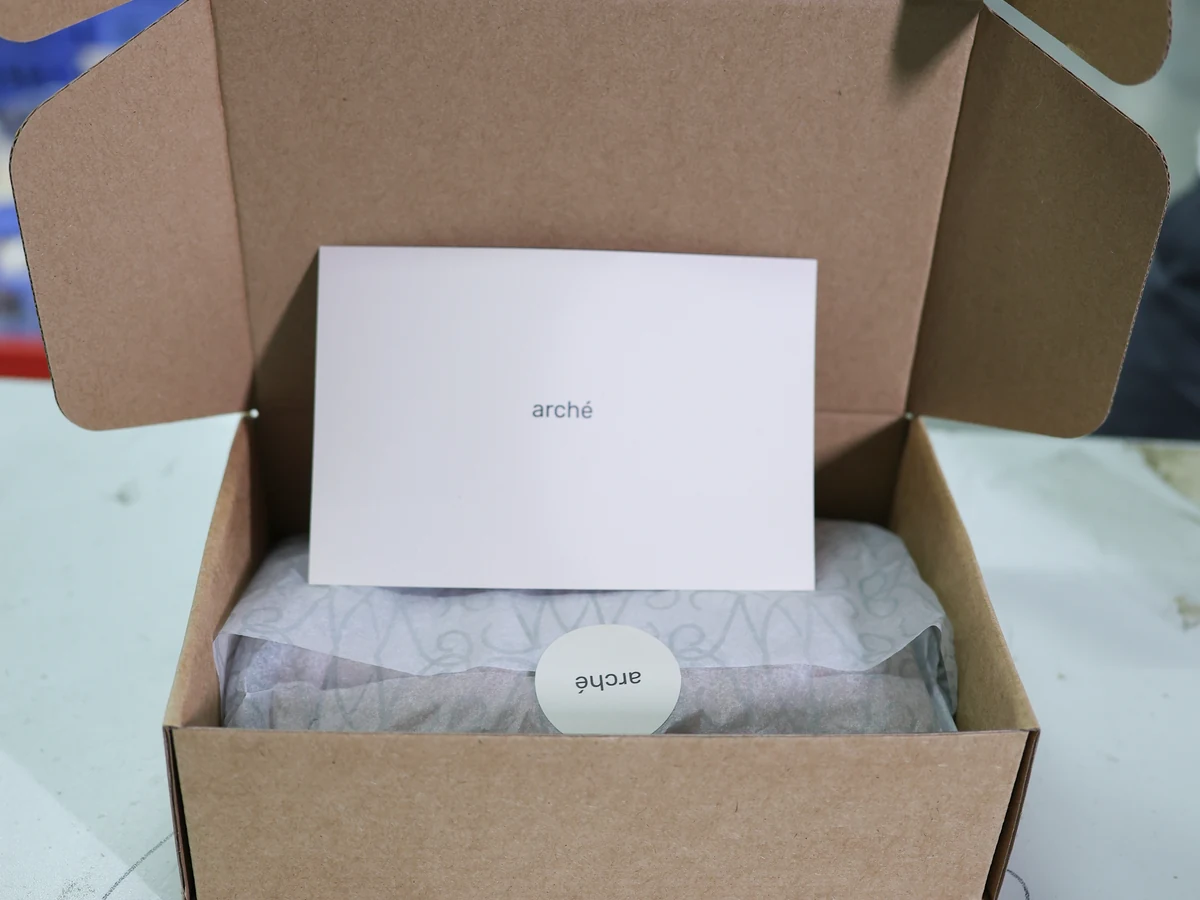
A useful packing photo has a defined purpose: showing the items before sealing, checking a label position or recording a new packing rule. Name the views you need and what should be visible.
Agree how photos link to orders, who can access them and how long they are retained. Photo capture and availability are project requirements to confirm, not a substitute for the packing checks themselves.
Use the same questions when discussing packaging kitting services with any fulfillment provider.
Scroll across to compare all specifications.
| Requirement | Question to ask | Record in your brief |
|---|---|---|
| Custom packaging | Which tasks and materials can be handled? | Agreed service scope |
| SKU differences | How are variants and exceptions communicated? | Approved rule sheet |
| Updates | Who approves and activates a changed rule? | Owner, version and start date |
| Packing evidence | Which checks or records can be provided? | Required record and access |
| Packaging stock | Who monitors usage and handles shortages? | Stock and replenishment responsibilities |
This is a planning checklist, not a claim that other providers lack these capabilities.
Agree the scope before stock moves or orders begin.
Include SKU and bundle lists, channels, destinations and approximate order volume.
List the components, sequence, placement and exceptions for each order type.
Confirm handling, checks, stock responsibilities, fees and any required integrations.
Approve the sample arrangement and the agreed check process before wider use.
Agree the start date, rule version, contact and process for future changes.
What the work includes and how to prepare your request.
Kitting groups separate items into one ready-to-ship unit, such as a product with its tag and insert or a multi-pack in one bag. It can be done in batches or as orders are prepared.
A kitting fee is the charge for the agreed assembly and handling work. The rate and billing unit depend on the component list and tasks, and we quote it with your project.
Kitting groups finished items into a set. Assembly generally joins parts to make an item. Describe any box assembly, wrapping or product assembly separately so the requested work is clear.
Include your supplied labels and inserts in the brief, with their quantities, versions and placement. Confirm acceptance, stock handling and application requirements as part of the project scope.
Pre-built kits can suit stable component lists and planned batches. On-demand kitting can suit changing combinations. Compare inventory, order mix and packaging changes before agreeing the approach.
Share your SKUs, components, packing tasks, order volume and any required checks in the form below. Those details provide the basis for reviewing the handling scope and quote.
Tell us what you sell, the packing tasks you need and the checks to include.
Fields marked are required. Select all packaging types that apply.
Add these details to your project notes.